Menu

Micro-Edge Data Centers
Micro-Edge Data Centers: AI-Ready Infrastructure, Closer to Your Business
AI workloads do not all belong in the same place. Training a model can happen in a large, centralized facility. Running that model in production, where a manufacturing line, a clinician, or a customer is waiting on an answer in milliseconds, cannot.
US Signal’s micro-edge data centers extend AI-capable infrastructure into strategically located regional markets. Instead of routing every workload back to a handful of massive, distant facilities, you get enterprise-grade power, cooling, connectivity, and GPU capacity positioned close to where your data is created and your decisions get made.
What Are Micro-Edge Data Centers?
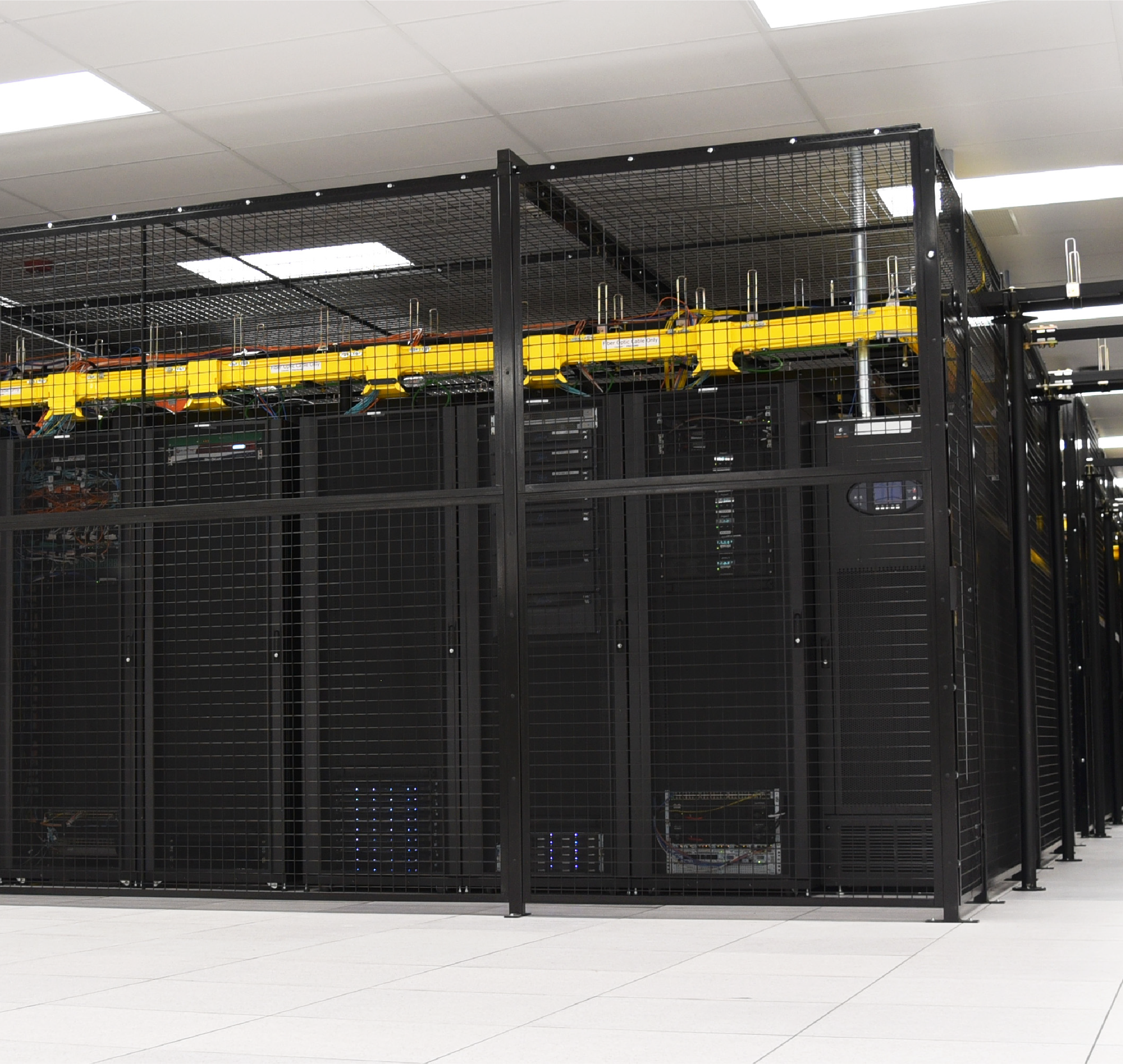
A micro-edge data center is a smaller, regionally located facility built to support high-density, latency-sensitive compute, including AI inference, without the distance penalty of a centralized cloud region.
Traditional edge deployments were built for networking, caching, and lightweight compute. AI asks for more. Micro-edge facilities are engineered with the power density, advanced cooling, and connectivity that modern GPU workloads actually require, deployed in the regional markets where your business operates instead of hundreds of miles away.
US Signal’s micro-edge locations connect directly into our broader fiber network and core data center footprint, so you get edge-level proximity without giving up the reliability and scale of a national platform.
Why Micro-Edge Matters for AI
Not every AI workload has the same requirements, and that is exactly the problem centralized-only infrastructure cannot solve.
Latency determines whether AI works in production. Real-time inference, whether it is analyzing manufacturing sensor data, supporting a clinical decision, or powering a customer-facing application, depends on compute sitting close to the data source. The farther that round trip travels, the less useful the response.
Compliance and data residency requirements are not optional. Many organizations cannot send every workload to a distant cloud region and call it solved. Regional infrastructure keeps data closer to where it needs to stay.
AI density breaks traditional facility assumptions. GPU-powered infrastructure draws several times the power of traditional compute and generates significantly more heat. Micro-edge facilities are built from the ground up with the high-density power and advanced cooling AI actually demands, not retrofitted after the fact.
Workloads are distributing, not consolidating. As AI moves from pilot projects into daily operations, more of that work needs to happen regionally. Infrastructure has to be positioned for that shift now.
How US Signal’s Micro-Edge Network Works
US Signal’s micro-edge data centers are built on the same foundation as our core facilities: a private, high-capacity fiber network spanning thousands of route miles, engineered for the power density and connectivity AI workloads require.
Regional proximity
Micro-edge locations are positioned in strategic markets, bringing compute closer to your operations instead of concentrating everything in a small number of distant regions.

AI-ready power and cooling
Built to support the high-density power and advanced cooling, including direct liquid-to-chip cooling, that modern GPU environments demand.
Direct network integration
Connected to US Signal’s core data centers and fiber backbone, so regional edge capacity works alongside centralized cloud and colocation rather than operating in isolation.
Built for what's next
Designed to scale as AI adoption grows, so your infrastructure does not need to be rebuilt every time your workloads change.
Industries That Benefit from Micro-Edge Infrastructure
- Manufacturing — real-time quality control and equipment monitoring on the floor, not three states away
- Healthcare — clinical decision support and diagnostics that depend on immediate, reliable response times
- Financial services — low-latency processing for time-sensitive transactions and compliance-bound data
- Logistics — real-time routing and operational decisions across distributed locations
- Insurance — inference on claims data without shipping it cross-country

Frequently Asked Questions
What is the difference between a micro-edge data center and a traditional edge facility?
Traditional edge deployments were typically built for networking, caching, or lightweight compute. Micro-edge data centers are purpose-built for AI, with the power density, advanced cooling, and GPU capacity that inference and other latency-sensitive AI workloads require.
Do I need micro-edge infrastructure if I already use centralized cloud or colocation?
Most organizations end up needing both. Centralized cloud and colocation remain the right fit for training large models and handling workloads without strict latency requirements. Micro-edge capacity fills the gap for real-time, production AI workloads where proximity matters.
How does US Signal support high-density AI workloads?
US Signal’s micro-edge and core data centers are engineered for high-density power and advanced cooling, including direct liquid-to-chip cooling, backed by a private fiber network connecting our full footprint.
Which regions does US Signal's micro-edge network cover?
US Signal’s micro-edge data centers are being deployed across strategic markets within our fiber footprint. Contact our team to discuss availability in your region.
Is my AI workload ready for micro-edge deployment?
If your AI application depends on real-time response, handles data with residency or compliance requirements, or needs to run close to where that data is generated, it is a strong candidate. Talk to our team to evaluate your specific requirements.
Build AI Infrastructure That’s Ready for What’s Next
AI infrastructure is not a temporary trend. It is the next evolution of enterprise computing, and it demands compute in the right places, not just more of it.
US Signal is investing in micro-edge data centers now, because we believe the future of enterprise AI will run on a mix of centralized cloud, private infrastructure, colocation, and regional capacity working together.



Get the Latest Insights
Subscribe to our newsletter for valuable insights and resources delivered right to your inbox.