Menu
Colocating at the Edge
Reduce Latency and Boost Performance with
Strategic Edge Colocation
Edge colocation is transforming the way businesses manage and deploy IT infrastructure. By colocating data and applications closer to end-users and critical resources, companies can significantly reduce latency, improve performance, and enhance user experiences. But what exactly does colocating at the edge entail, and why is it becoming a cornerstone of modern IT strategies?
Why Choose Edge Colocation?
Colocating at the edge offers significant advantages for businesses seeking better performance, scalability, and reliability in their IT infrastructure. Key benefits include:
Lower Latency
Placing infrastructure closer to end-users minimizes the physical distance data must travel, reducing latency and ensuring faster application response times.
Enhanced Performance
With high-performance connectivity options, edge colocation enables seamless communication between applications and devices, improving overall efficiency and productivity.
Greater Scalability
Edge colocation supports distributed IT environments, allowing businesses to expand their infrastructure regionally without the need for large on-premises deployments.
User Experience
By bringing applications and content closer to end-users, businesses can ensure faster load times, more reliable services, and a higher level of customer satisfaction.
Support for Hybrid IT
Edge colocation complements hybrid IT strategies, allowing businesses to seamlessly integrate on-premises, colocation, and cloud environments for maximum flexibility and cost efficiency.
Business Continunity
Geographically dispersed edge colocation facilities help organizations maintain uptime and recover quickly from disruptions by offering redundancy and disaster recovery options.

Who Benefits from Edge Colocation?
Organizations across a wide range of industries can leverage edge colocation to improve performance, meet user demands, and enhance their IT strategies. Businesses that benefit most include:
- E-commerce Platforms: To ensure fast page loads and seamless transactions for users across regions.
- Media and Content Providers: To deliver high-quality, latency-free streaming and downloads.
- IoT and Smart Systems: To support real-time data processing and decision-making.
- Healthcare Organizations: To meet compliance needs and provide fast access to patient data.
- Financial Services: To ensure secure, low-latency access to critical financial applications.
How US Signal Can Help
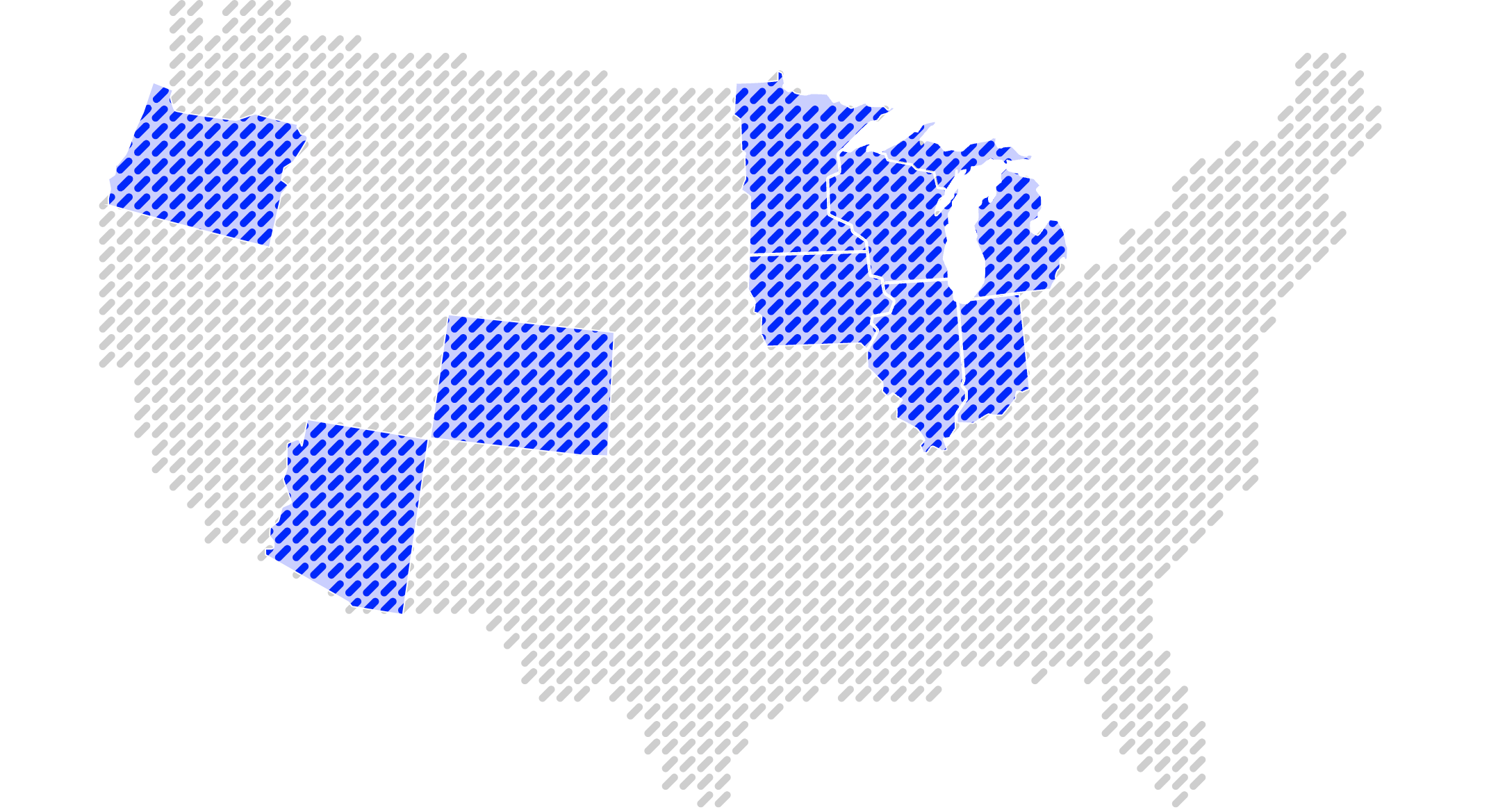
US Signal provides the expertise, infrastructure, and connectivity required to support your edge colocation strategy. With sixteen geodiverse data centers and a robust 14,000-mile fiber network, we deliver the low latency, scalability, and reliability businesses need to thrive.
Our colocation services include:
- Geodiverse, secure data centers across the country.
- High-performance connectivity options, including direct cloud connections.
- Seamless integration with hybrid IT environments.
- Comprehensive managed services and disaster recovery solutions to support your infrastructure.
Take advantage of US Signal’s edge capabilities to enhance performance, optimize costs, and ensure business continuity.
Frequently Asked Questions
Organizations evaluating edge infrastructure often have questions about latency, workload placement, hybrid cloud strategies, and distributed operations. Here are answers to some of the most common questions about edge colocation.
What is edge colocation?
Edge colocation is the practice of placing IT infrastructure closer to users, devices, applications, or data sources to reduce latency and improve performance. Instead of relying solely on centralized cloud environments, organizations can deploy workloads in regional data centers closer to where data is generated and consumed.
How does edge colocation reduce latency?
Edge colocation reduces latency by shortening the physical distance data must travel between users, applications, and infrastructure. This improves response times for latency-sensitive applications, real-time analytics, AI workloads, video processing, and distributed operations.
What workloads benefit most from edge colocation?
Workloads that benefit from edge colocation often include real-time analytics, AI inference, IoT applications, manufacturing systems, VDI environments, media streaming, gaming platforms, and applications supporting distributed users or branch locations.
What is the difference between edge colocation and traditional colocation?
Traditional colocation often centralizes infrastructure in a small number of large data centers. Edge colocation distributes infrastructure closer to regional users and operations, helping organizations improve application responsiveness, resiliency, and localized performance.
How does edge colocation support hybrid cloud strategies?
Edge colocation supports hybrid cloud strategies by allowing organizations to place workloads in the environments that make the most sense based on performance, compliance, cost, or operational requirements. It creates a bridge between public cloud, private cloud, on-premises infrastructure, and regional edge deployments.
When should organizations consider edge colocation?
Organizations should consider edge colocation when application performance, latency, data sovereignty, or distributed operations become difficult to support through centralized infrastructure alone. It is often used to improve user experiences, support real-time processing, and optimize network performance.
Can edge colocation improve resiliency and disaster recovery?
Yes. Distributed edge infrastructure can improve resiliency by reducing dependence on a single centralized environment. Organizations can also use geographically diverse edge data centers to support backup, replication, failover, and disaster recovery strategies.
What industries benefit most from edge colocation?
Industries that commonly benefit from edge colocation include manufacturing, healthcare, financial services, retail, logistics, media, gaming, education, and technology organizations with distributed operations or latency-sensitive applications.
How does edge colocation support AI and modern applications?
Edge colocation can support AI inference and modern distributed applications by placing compute resources closer to where data is generated. This helps improve performance for real-time processing, machine learning inference, automation, and connected devices.
Let’s Build Your Edge Strategy Together
Take the first step toward enhancing your IT infrastructure by colocating at the edge. With US Signal’s secure, geodiverse data centers and industry-leading connectivity, you can reduce latency, improve performance, and scale your operations effortlessly.

Related Resources


Get the Latest Insights
Subscribe to our newsletter for valuable insights and resources delivered right to your inbox.